
Interview Coaching
Why coaching?
-
Most people prepare for an interview by memorising what they want to say. That’s usually why it goes wrong.
Three messages, learned by heart, delivered whatever the question. The interviewer notices in about fifteen seconds. The audience notices slightly later. And the producer makes a quiet note not to book you again.
-
Not a polished performer. Someone who answers the question that was asked, says at least one thing a listener will still remember at the end of the programme, and can be relied on to turn up and make sense at short notice.
Get that right and you get asked back, which is worth considerably more than any single interview.
-
Not "I got my three messages in".
Did the audience understand what we do. Would they trust us. Would that producer ring me first next time. Those are the questions worth measuring yourself against, and they change how you prepare.
Real interviews, not role play.
You get recorded, you watch or listen back, and we go through it line by line: what you said, what you avoided, what your face was doing, and what a listener actually took away. Then you do it again, better.
Depending on what you are likely to face, that can be radio, television, down the line, or a hostile interview with a reporter who has read your accounts.
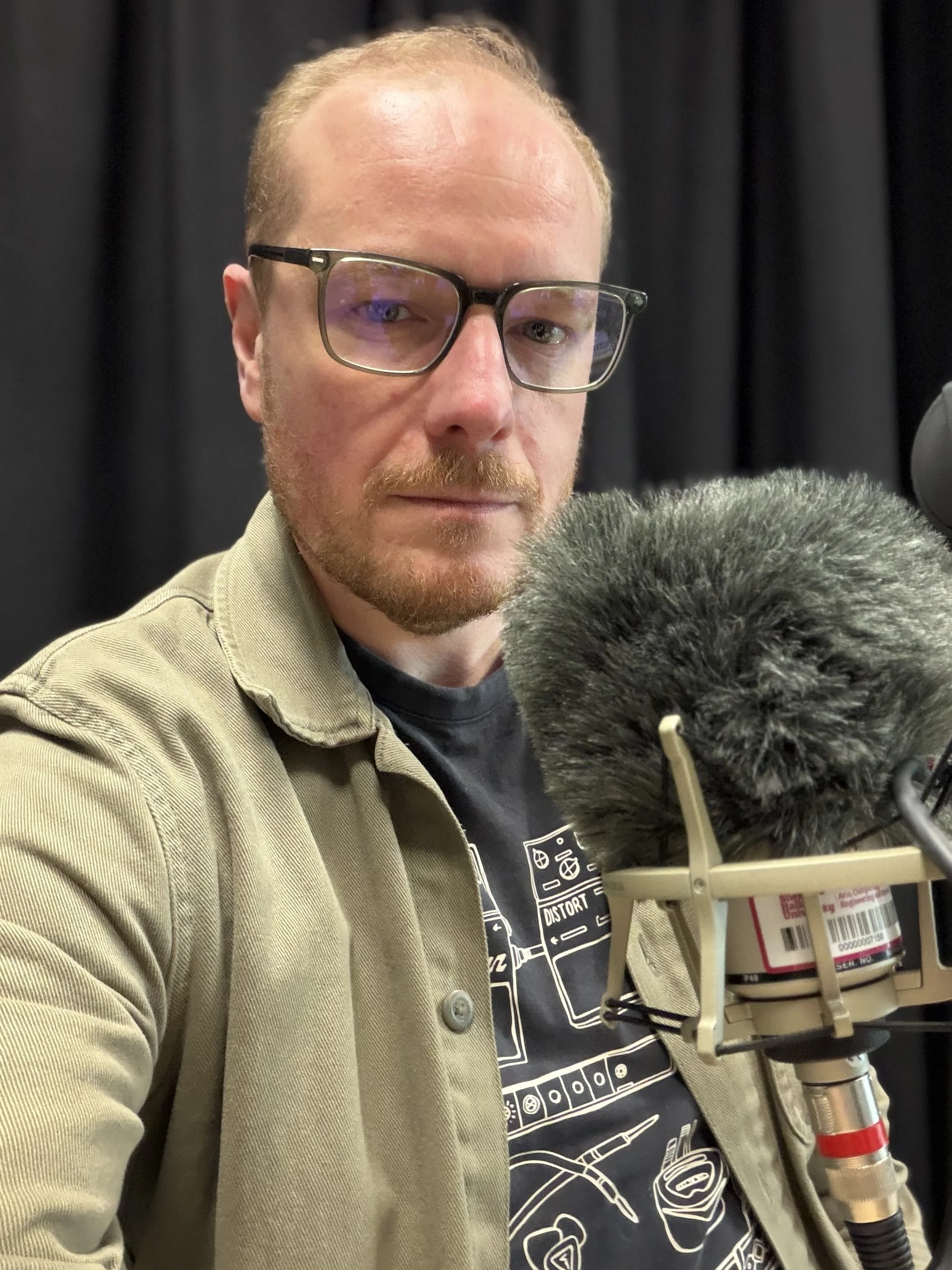
We will bring a remote studio to you, or you can come to Manchester and sit in our studio - whatever is the most real.
Just the big bosses?
Not necessarily. Yes, this is perfect for chief executives, founders, finance directors and subject experts.
But anyone who is going to be asked questions on the record will benefit from our coaching, particularly if they are good at their job and not yet good at talking about it - or understanding exactly what it is that they do.
Why buy this from me?
I spent more than a decade at Radio 5 live booking, briefing and occasionally dropping contributors. I know which ones got asked back, and why, because I was the person deciding.
I then did the same at the World Service, booking internationally recognised names and yes… sometimes dropping them.
I still read news for the BBC. So when we do a mock live interview and I read a bulletin before handing over to you, I am not a trainer pretending to be a newsreader. That is my other job.
Frequently Asked Questions
Still have questions? Take a look at the FAQ or reach out anytime. If you’re feeling ready, go ahead and apply.
-
That depends on what you need - all our sessions are bespoke. But we would suggest at least three hours for an individual session to give you time to go again, correct mistakes, and learn how to perform for different formats.
-
Four to six. Everyone needs time in front of a microphone or a camera rather than watching someone else have it.
-
Yes absolutely. This is about understanding any fears you have and working with them. Almost everyone is nervous, including people who have done it for years. That is the point of doing it in a room where nobody is listening.
-
Yes - if you are likely to face difficult questions, the session gets built around the ones you least want to be asked.
-
Our baseline cost is £3000 for 4-6 people for half a day, but all our packages are bespoke.
If the problem is getting coverage rather than handling it, that is communications training: