
Communications Training
To pitch to journalists… learn to think like a journalist.
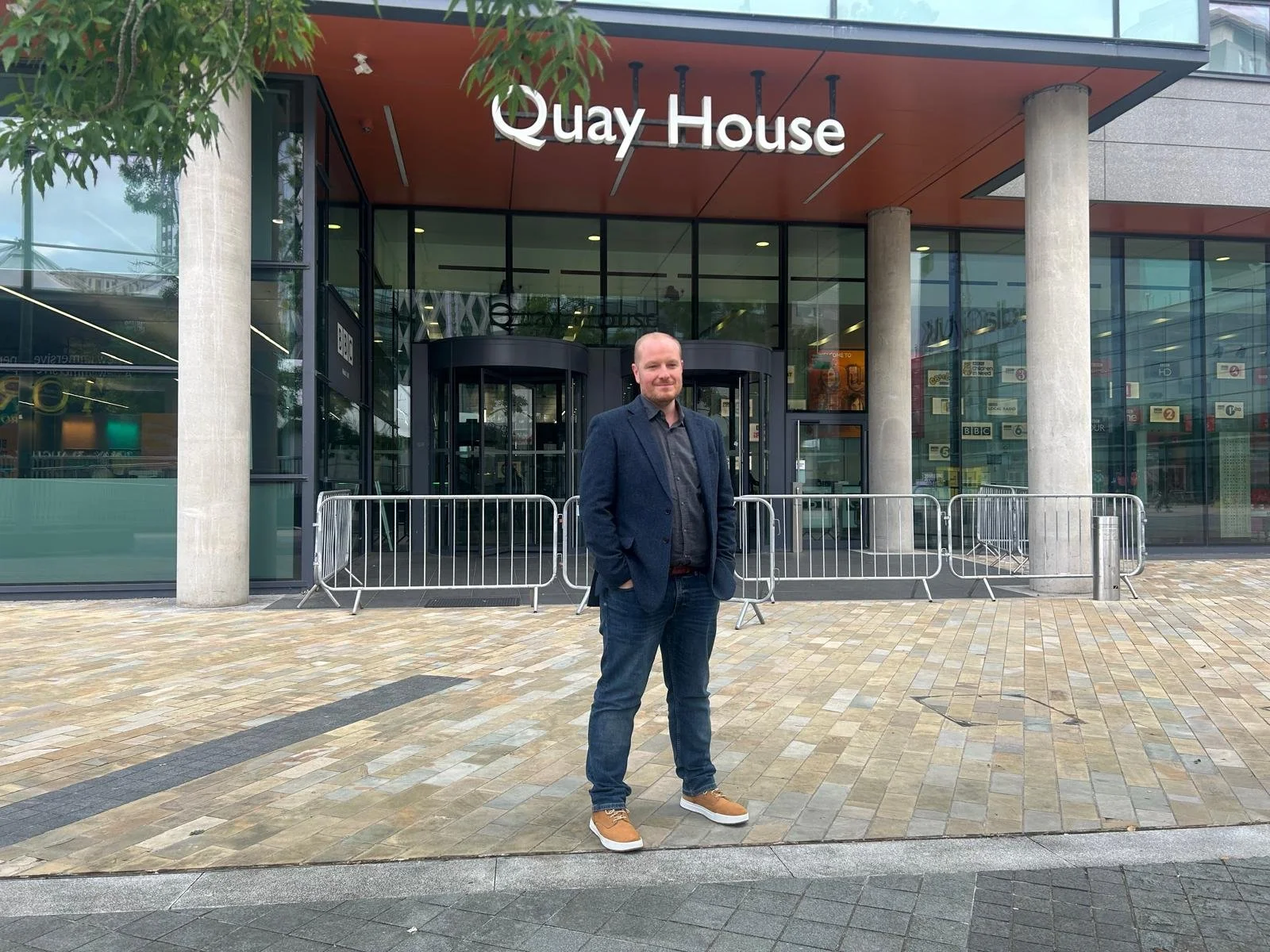

Know:
who to pitch to
how
what your story really is
when
How to pitch to journalists

Most pitches fail for reasons that have nothing to do with how good the story is.
They arrive on the wrong day. They go to the wrong person. They lead with the announcement instead of the story. Or they land at four in the afternoon on a programme that made its decisions at nine that morning.
I spent 20 years on the receiving end of pitches, and then deciding which ones made it on air. This is a session about why yours are not working, and what to do instead.
Who is it for?In-house communications teams, PR and comms agencies, and founders doing their own press.
It works for teams who are already competent and cannot work out why the results do not match the effort, or just want to understand the media business better.
What I Cover
Why now?
1
News is a timing business before it is anything else. Your story is not competing against other stories in your sector, it is competing against everything that happened today. We look at how a running order actually gets built, where the gaps in a week are, and why the same story lands in January and dies in June.
What with?
2
The difference between an announcement and a story. Your funding round is not news. What it lets you say about your market might be. We work on your own material rather than hypotheticals, so you leave with something usable.
Who to?
3
Not "the BBC". A programme, a desk, a person, and a slot. We map who actually decides at the outlets you care about, and how those decisions get made, which is rarely the way people assume.
How?
4
What a pitch that gets read looks like. Length, subject line, timing, what goes first, what to leave out, and what to do when nobody replies.
What I will NOT do
I will not promise you coverage, and you should be wary of anyone who does.
I cannot get you on the BBC or other media outlets. Nobody honest can. What I can do is stop you spending pitches on programmes that were never going to take your story, and make the ones you do send much harder to ignore.
Why buy this from me?There are plenty of guides to pitching. Media databases and agencies publish them, and some are good. They are compiled by asking journalists what they want.
I was the journalist. Then I was the editor deciding what got commissioned. There is a difference between someone who has collected the answer and someone who spent a decade giving it.
I also still work in the newsroom, so this is not a description of how things used to be done. It’s a description of how it’s done right now.
Frequently Asked Questions
-
Everything we offer is bespoke - so we tailor it to what you need. However we suggest around three hours as a minimum.
-
Anyone who writes or approves a pitch. That often includes people outside the comms team, and it is usually worth having them in the room.
-
Yes, and it is much more useful than working with examples. Send them over beforehand and we will go through what happened to them.
-
Yes, both for agency teams and for their clients, under your name or mine.
-
All our sessions are bespoke, so we would work out a price for you depending on what you need. But to give an outline, we’d be looking at approximately £3000 for 4-6 people + travel & accommodation.
-
I can’t promise you that. Anyone who does is lying to you.
This training will stop you wasting pitches, and make the ones you send better targeted and harder to ignore.
-
Professional, honest, down-to-earth and fun. You don’t get through 20+ years in newsrooms without being personable!
If the problem is performance post the pitch - that is Interview coaching: